


WHMIS uses eight standard symbols to tell you what type of hazard the material may present. You might already know some of the symbols because they are similar to the ones used in household products like cleaning fluids and paint thinner.
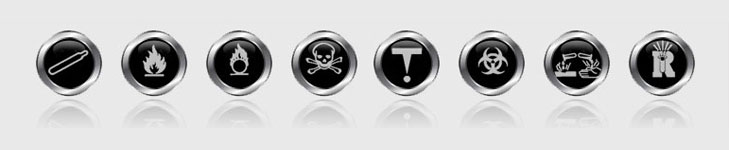

 Compressed Gas - Class A
These hazardous materials/ controlled products must be stored and handled very carefully. Puncturing or damaging the container or allowing the container to become hot could result in an explosion.
Some examples are oxygen, or the storing of acetylene and propane, along with aerosol paint cans.

- Flammable and combustible - Class B
Flammables can come in many forms either Gas, Liquid, Solids, Aerosols, reactive materials. At Corsafety.ca it is more likely that you would come in contact with Liquids, Aerosols, and Gas controlled products. There is a chance that containers can store gas or diesel fuel, Acetylene tanks are common on all our sites, as well as Aerosol paint cans, just to mention a few.

- Oxidizing Material - Class C
An oxidizing material is a product that gives off oxygen that could help some other material burn. For example there are oxygen tanks stored at many Corsafety.ca sites.

- Poisonous and Infectious Material - Class D - Division 1
This symbol is the most serious symbol in this section, because the product you will be using can have immediate and serious toxic effects on you when you use this substance.

- Poisonous and Infectious Material - Class D - Division 2
This symbol indicates that the material causes other toxic effects (having long term effects or causes cancer, for example)

- Poisonous and Infectious Material - Class D - Division 3
This symbol indicates a biohazardous infectious material, for example, blood or used needles.

- Corrosive Material - Class E
This symbol indicates that the material is corrosive and can cause burns through skin, eyes and inhalation problems.

- Dangerously Reactive Material - Class F
These materials can burn or explode if they are exposed to too much heat, shocked, or mixed with other chemical products.
For example, if an acetylene tank is laid on its side and then stood vertical and used before the two hour settling period the bottle will explode, because the acceptation had not settled before use.